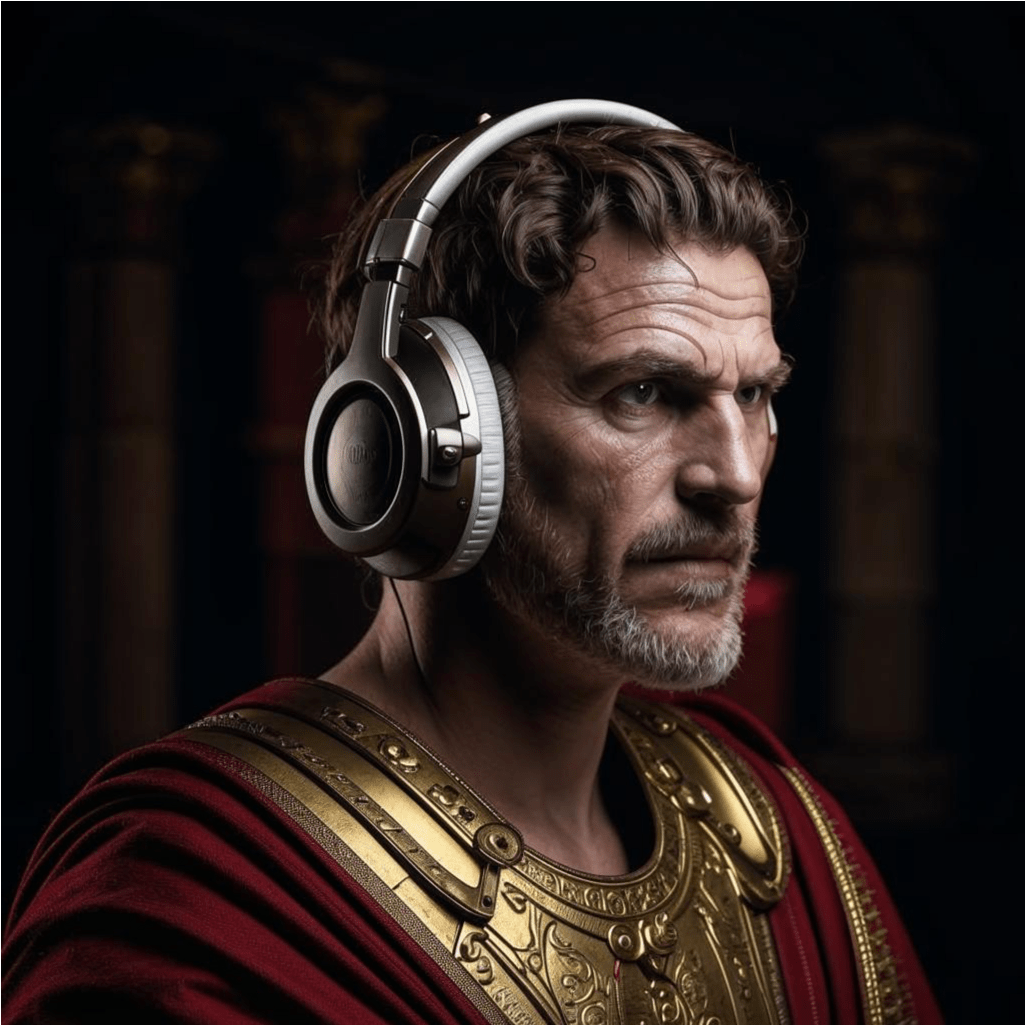
Eavesdropping devices have a long and varied history, spanning many cultures and eras.
These devices have been used for various purposes, from military intelligence to political espionage and personal security. Let’s explore some historical examples of the use of eavesdropping devices in different cultures.
Ancient China
In Ancient China, especially during the Han Dynasty (206 BC – 220 AD), espionage was an important part of state policy. Chinese rulers used various methods to gather information about their enemies and allies. One such method was the use of hidden observers and agents who could eavesdrop on conversations and relay important information to the government.
The Roman Empire
In the Roman Empire, espionage also played a significant role. The Romans used a network of informants and agents who gathered information about political intrigues and conspiracies. These agents often eavesdropped on conversations in public places such as baths and forums to uncover potential threats to the emperor and the state.
Medieval Europe
In Medieval Europe, espionage and eavesdropping were also common. Monarchs and feudal lords used spies to gather information about their enemies and allies. One well-known example is King Henry VIII, who actively monitored his courtiers and political opponents.
The Age of Enlightenment and the Napoleonic Wars
In the 18th and early 19th centuries, during the Napoleonic Wars, espionage became more organized and technologically advanced. French and British agents used various methods for eavesdropping and intercepting messages. For example, French spy Jean-Charles Pichegru used hidden microphones to eavesdrop on British diplomats.
The 20th Century and Modern Times
In the 20th century, with the advancement of technology, eavesdropping devices became more sophisticated and effective. During World War I and World War II, espionage and eavesdropping played key roles in military intelligence. For instance, British intelligence used devices to eavesdrop on German radio transmissions, which helped the Allies win the war.
During the Cold War, the use of eavesdropping devices reached a new level. The USA and the USSR actively used eavesdropping devices to gather information about each other’s activities. One famous example is the installation of eavesdropping devices in the US Embassy in Moscow, which allowed Soviet agents to obtain important information about the activities of American diplomats.
Modern Technology
Today, eavesdropping devices are used in various fields, from security to journalistic investigations. Modern devices can be very small and discreet, making them effective for covert surveillance. However, their use is regulated by laws and ethical standards to prevent violations of human rights and privacy.
Conclusion
The history of eavesdropping devices shows how technology can be used for various purposes in different cultures and eras. From ancient empires to modern states, eavesdropping has always played an important role in politics, military intelligence, and personal security. It is important to remember that the use of such devices should always comply with laws and ethical standards to respect the rights and freedoms of individuals.
🕵️♂️🔍