In the digital age, technology has reshaped the way we live, work, and communicate.
From the smart devices in our homes to the sophisticated surveillance systems used globally, technological advancements have brought convenience, security, and innovation. However, they also raise significant concerns about privacy, ethics, and human rights.
How do we balance the potential of life-saving technologies with the need to protect individual freedoms? This question lies at the heart of one of the most critical dilemmas of our time.
The Ethical Tightrope
The debate often revolves around surveillance technology. Governments and organizations argue that tools like monitoring devices, tracking software, and data analysis systems enhance safety and prevent crimes. On the other hand, critics warn of overreach and misuse, leading to violations of privacy and basic human rights.
For instance, while facial recognition software has been used to apprehend criminals and locate missing persons, it has also faced backlash for potential misuse, racial bias, and a lack of transparency.
When Technology Saves Lives
Amid these debates, there are stories that highlight the undeniable benefits of technology. One such story demonstrates the life-saving potential of what many consider intrusive technology.
How a Listening Device Saved a Life
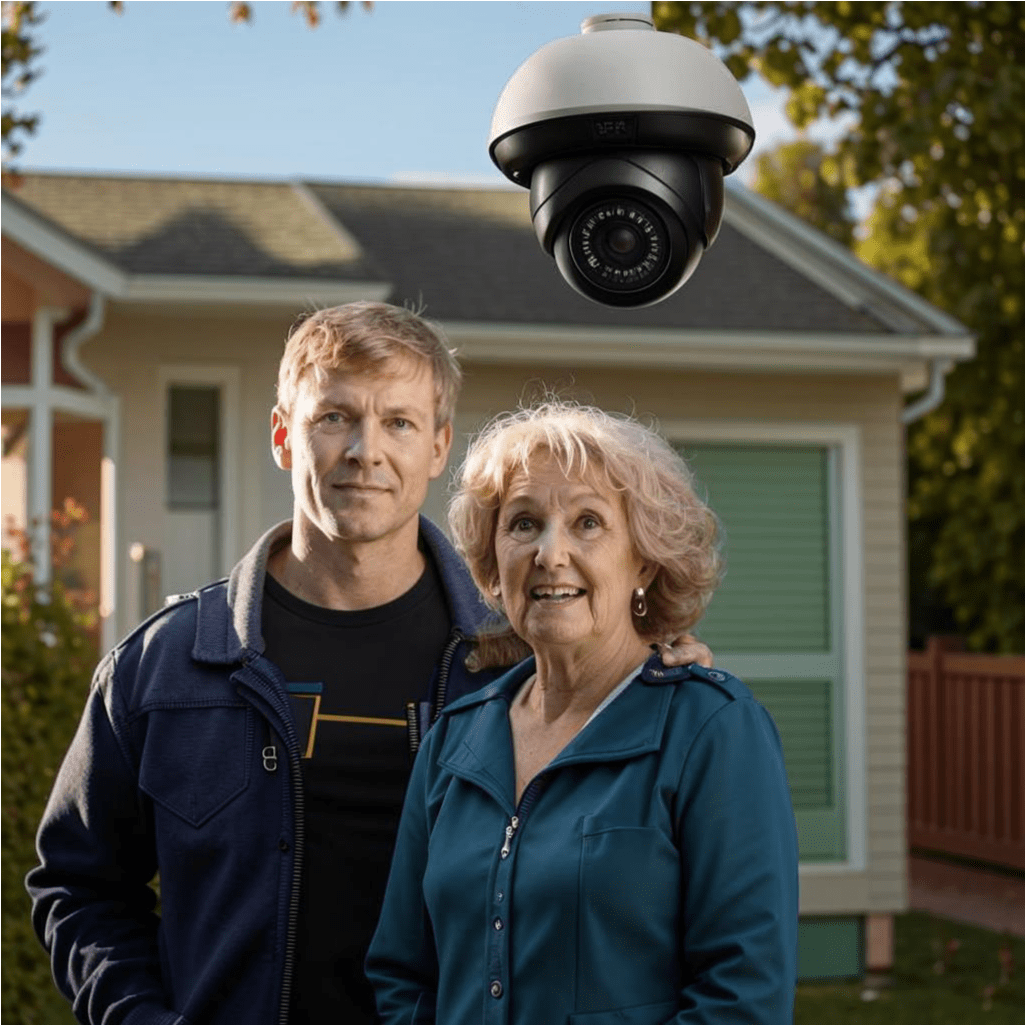
A family in a quiet suburban neighborhood unknowingly became the target of a violent robbery. An elderly woman, who lived alone, had a listening device installed by her family for emergency purposes. One night, intruders broke into her home, and the device detected unusual activity and distressing sounds.
The device immediately notified her family and emergency services. Police arrived within minutes, apprehending the intruders and ensuring the woman’s safety. Without this device, the outcome could have been catastrophic.
This story exemplifies how surveillance technology, when used responsibly, can protect lives and provide peace of mind.
Striking the Right Balance
The key to addressing the tension between technology and human rights lies in finding a balance. Transparency, accountability, and ethical guidelines must govern how such technologies are developed and deployed.
Solutions include:
- Enforcing strict regulations to prevent misuse.
- Educating users on how their data is collected and used.
- Implementing fail-safes to ensure technology is only used in legitimate scenarios.
While technology will continue to evolve, its impact on human rights must be a central consideration. When used ethically, these tools can save lives and enhance security without compromising privacy.
Conclusion
Technology and human rights do not have to be at odds. By fostering open dialogue, ensuring accountability, and prioritizing ethical practices, we can embrace innovation without undermining fundamental freedoms.
We offer you our eavesdropping devices - https://spy-il.com/shop, which can help you in everyday life without harming your relationships with the law and people.